Ever spotted a capybara lazing by a water's edge and wondered, "Could that adorable rodent actually turn aggressive?" You're not alone. These sociable giants, often called the world's largest rodents, captivate us with their calm demeanor, but understanding their behavior is key, especially if you're curious about keeping one as a pet or just want to appreciate wildlife safely. Let's dive into what makes capybaras tick and when they might show a less gentle side.
Discover Why Capybaras Are Usually Calm Companions
Capybaras are inherently social animals, thriving in groups of 10 to 20 in the wild. Their default setting is peaceful—they spend much of their day grazing on grasses, lounging in mud, or swimming. Think of them as the laid-back diplomats of the animal kingdom; they often coexist with birds, monkeys, and even crocodiles without conflict. This calm nature stems from their need for group harmony to avoid predators. So, in most everyday encounters, a capybara is more likely to ignore you or slowly waddle away than show any hostility. It's this docile reputation that makes them popular in zoos and as exotic pets, but remember, they're still wild animals with instinctive behaviors.
Identify the Triggers That Can Spark Capybara Aggression
While generally gentle, capybaras can become aggressive when provoked or stressed. Key triggers include feeling cornered or threatened, especially if they can't escape to water, their safety zone. For instance, if a dog chases one or a human approaches too quickly, the capybara might defend itself. Another major trigger is protecting their young—mother capybaras are fiercely protective and may charge or bite if they perceive a threat to their pups. During mating season, males can also display aggression to establish dominance, engaging in fights that involve chasing and biting. It's like flipping a switch: their peaceful vibe shifts when survival or family is on the line.
Learn to Recognize Signs of Aggression in Capybaras
Spotting early warning signs can prevent a confrontation. Capybaras communicate discomfort through body language: they might raise their head, stiffen their posture, or bare their teeth. A common telltale sign is teeth chattering—a rapid clicking sound that's often a prelude to a bite if warnings are ignored. In more intense situations, they may charge short distances, aiming to intimidate rather than always follow through with a bite. Their incisors are sharp and capable of causing injury, so heeding these signals is crucial. Imagine it as their way of saying, "Back off now!" before escalating. By observing these cues, you can gauge their mood and give them space.
Understand How to Safely Interact with Capybaras
Whether in the wild or as pets, safe interactions hinge on respect and caution. If you encounter a capybara in nature—say, near a river in South America—keep a distance, avoid sudden movements, and never try to feed or touch it. For those considering a pet capybara, note that they require specialized care, including ample space, a water source for swimming, and social companionship to thrive. In the U.S., check local regulations, as they're illegal in some states. Always approach them calmly, letting them initiate contact, and supervise children closely. It's akin to befriending a shy neighbor: patience and boundaries build trust, reducing any risk of defensive behavior.
Respond Effectively If a Capybara Shows Aggression
Should you face an aggressive capybara, stay calm and do not run, as this might trigger a chase. Instead, slowly back away while facing the animal, giving it a clear path to retreat. If bitten, clean the wound thoroughly and seek medical attention, as with any animal bite, to prevent infection. In managed settings like farms or sanctuaries, handlers use tools like barriers or distractions to de-escalate situations. Remember, aggression is rare and usually situational—capybaras aren't inherently violent, but like any creature, they have limits. By understanding and respecting those limits, you can appreciate these fascinating animals without incident.
Fijación Salvateja Para Cubierta De Teja SUNFER S02 - Bricoelige
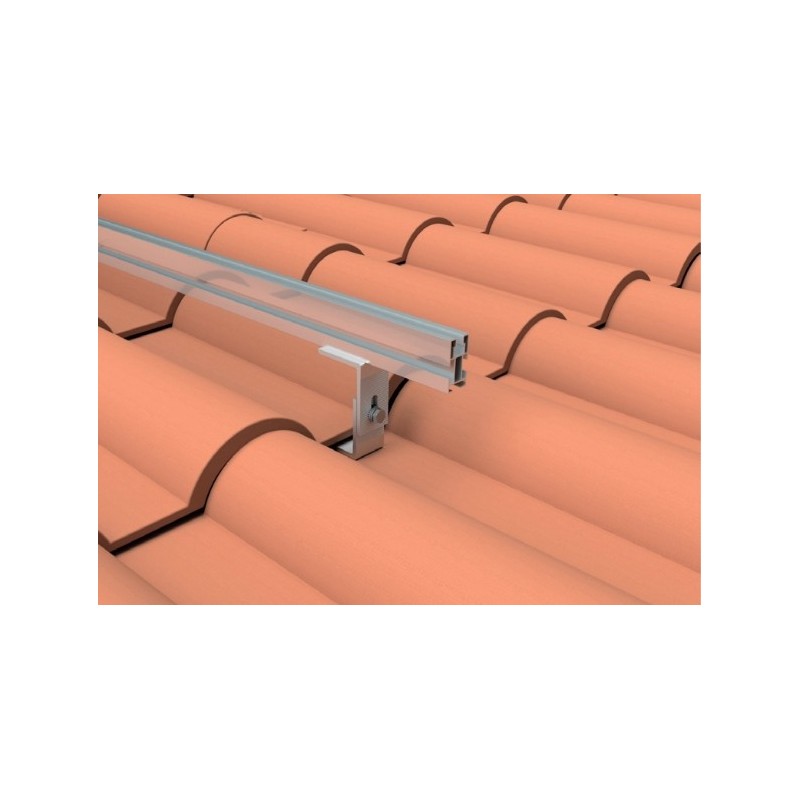
Fijación Salvateja para cubierta de Teja SUNFER S02 - Bricoelige